Loading a Processing Line for Afghanistan: Packing Details
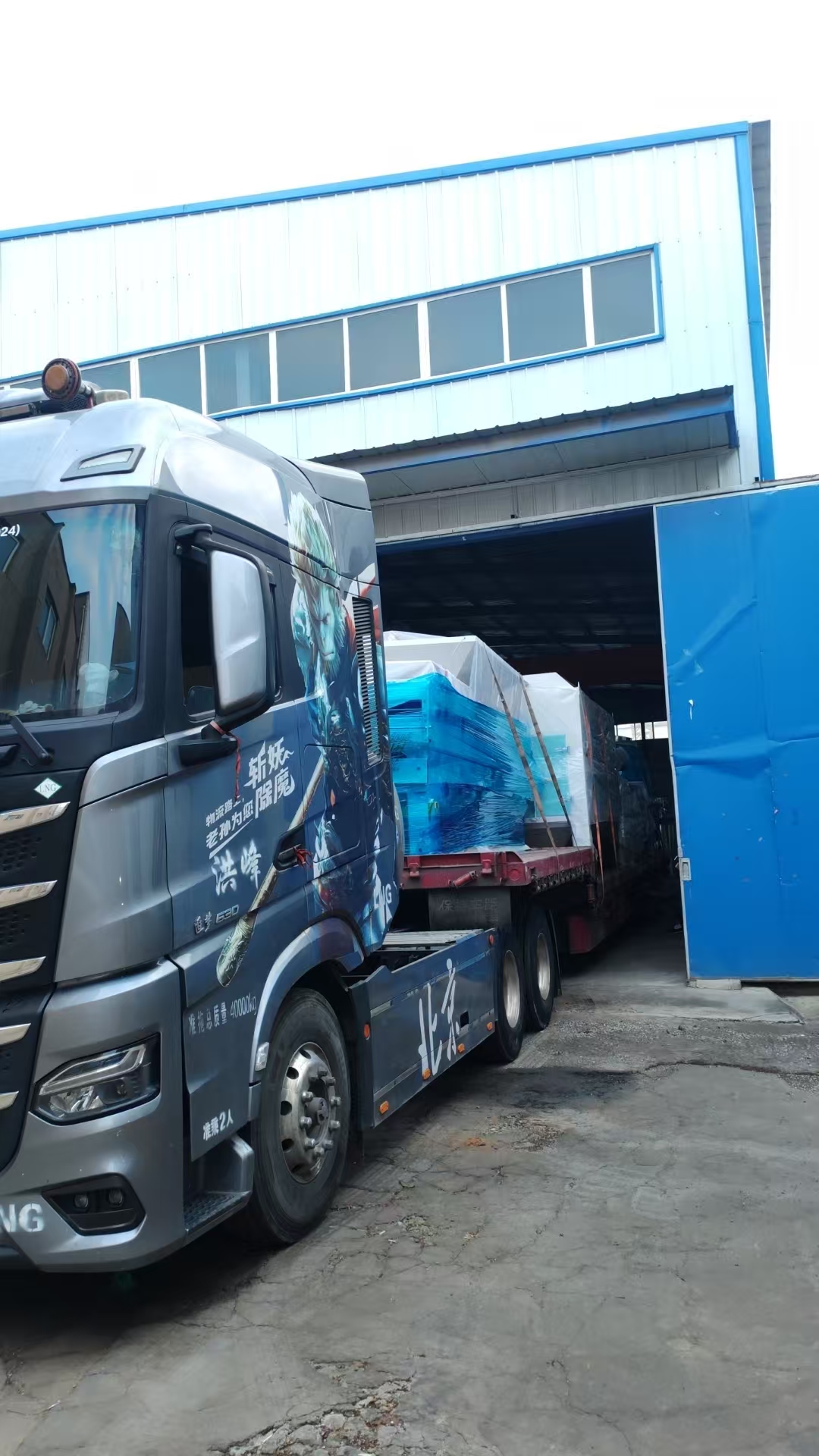
The last unit went onto the flatbed this week, and the truck left our workshop bound for Afghanistan. Loading day is the point where a project stops being drawings and becomes cargo — and where the next three months of someone else's schedule are decided by how well we packed.
What was loaded
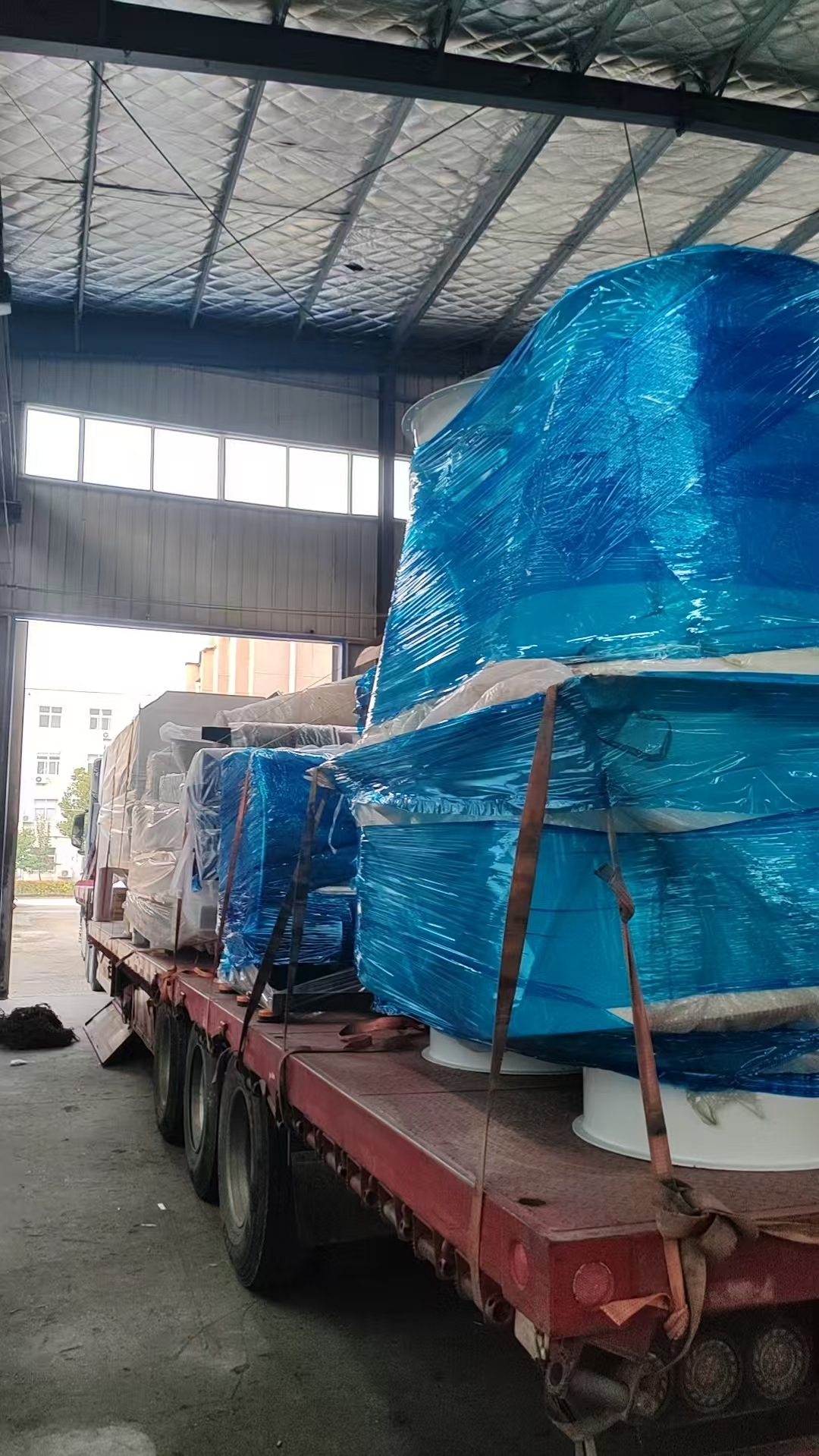
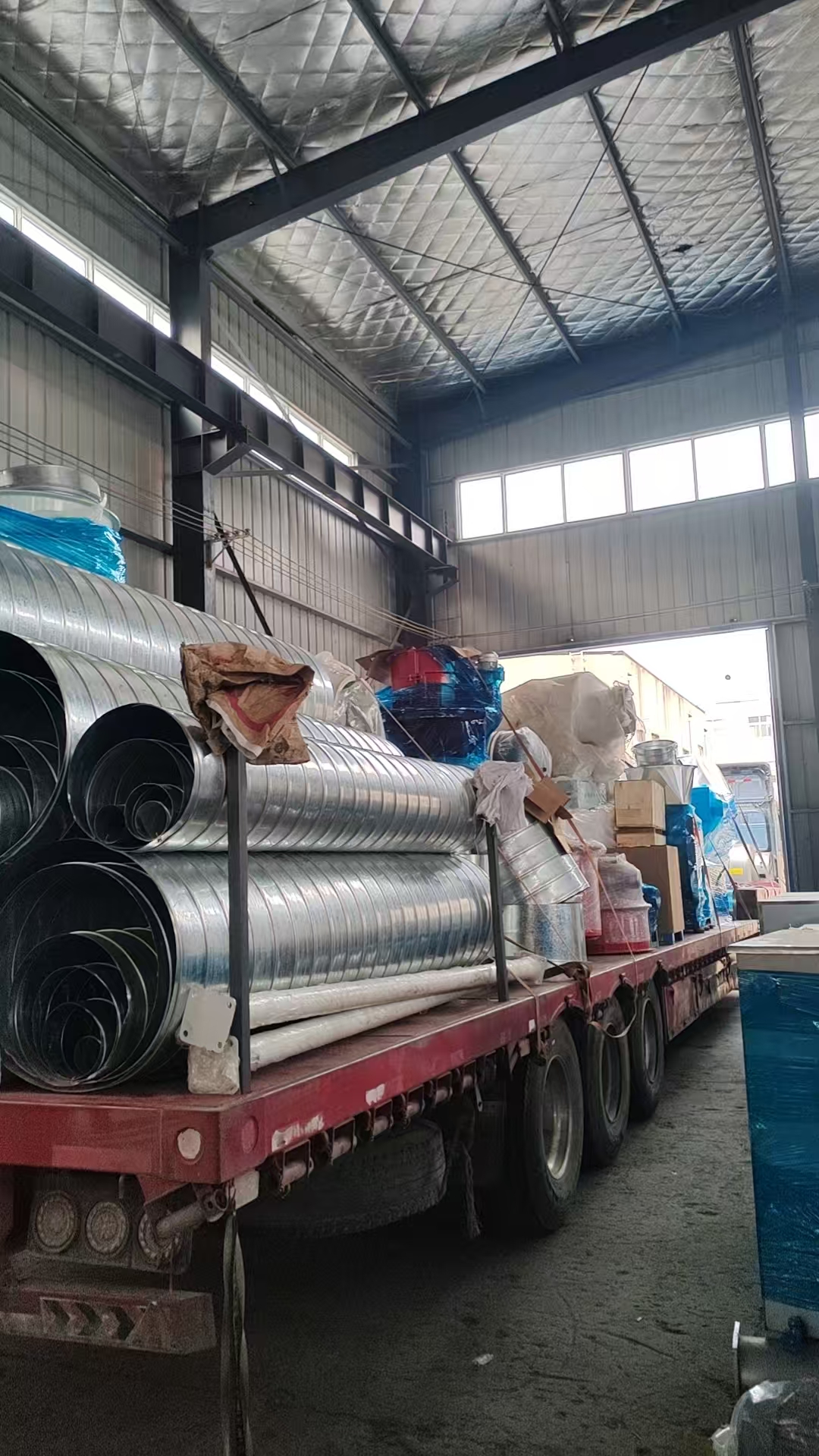
The shipment is a dismantled equipment package: ducting sections, hoppers, frame assemblies and the smaller fabricated parts that travel with them. Nothing on that trailer is in its final position — every piece will be reassembled on site, which is exactly why the condition it arrives in matters more than how neatly it sits on the truck.
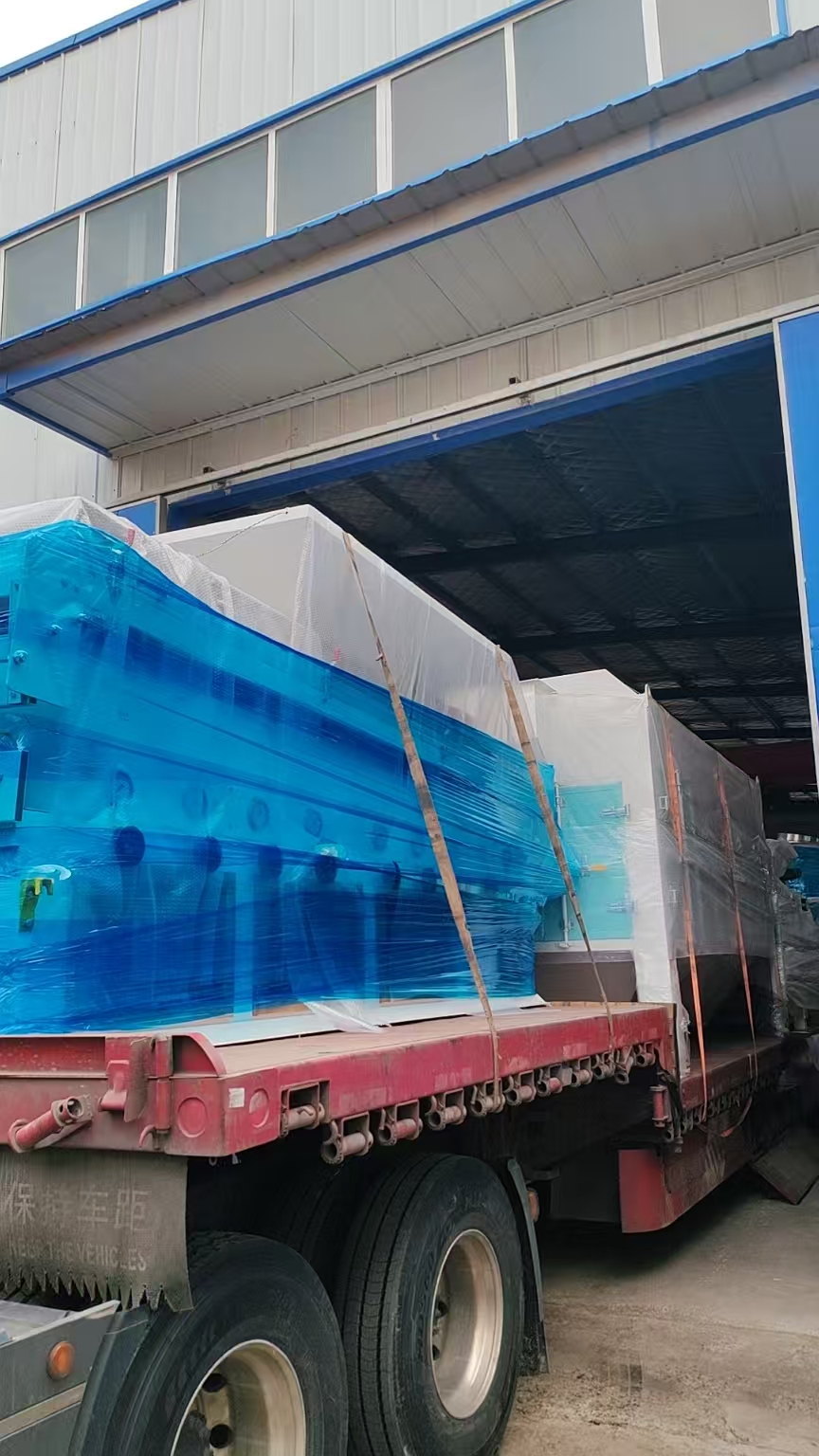
Each unit was wrapped in stretch film inside the workshop, before it ever saw daylight. Ducting went in nested bundles so the sections could not rub against each other in transit, and the heavier assemblies were steel-strapped rather than taped, because a strap holds through vibration and a film alone does not.
Why the packing looks heavier than it needs to
A route to Afghanistan is not a single leg. Sea freight, port handling, customs inspection and then inland trucking all involve lifting, stacking and waiting — and each of those is a chance for moisture, dust or impact to reach a machined surface.
Stretch film is there for two reasons: it seals against humidity and dust, and it keeps small fittings from disappearing during transshipment. Steel strapping is there for one reason only: to stop a bundle from moving when the truck brakes or the container is lifted. On long routes, the cheapest insurance is a roll of film and a box of straps, applied properly.
The loading checks
Loading is measured, not eyeballed. Three things get checked before the truck leaves:
- Weight distribution — heavy assemblies sit over the axles, not at the tail, so the trailer does not unload the steering axle on the road.
- Tie-down points — straps go over the frame, never across a machined face or a thin panel that will deform under tension.
- Photo record — every unit is photographed as loaded, with the bundle number visible. That record is what settles a damage claim, in either direction.
Documents that travel with the shipment
The paperwork is prepared against the same unit numbers as the photos: packing list, commercial invoice, bill of lading and certificate of origin, plus the installation drawing package. The packing list has to match the physical bundles one for one, because the first thing a customs officer or an installation engineer does is count.
Requirements differ by route and by forwarder, so the document set is confirmed with the freight agent before the container is booked rather than after.
What happens after arrival
On arrival the sequence reverses: unpack, check against the photo record, position the units on the foundation according to the layout drawing, then reconnect. Foundation drawings and the layout are issued ahead of the shipment so site preparation can run in parallel with transit instead of after it.
Commissioning support is scheduled with the client once the equipment is on the ground, and the engineer's visit is planned around the site's readiness rather than the ship's arrival date.
If you are planning an export project, the processing lines we build include the packing and documentation scope from the start — it is part of the quotation, not an afterthought.
Packing standards described here are our workshop practice for long-route shipments and should be confirmed against the specific route, cargo and forwarder requirements of each project.